Treating one nest and calling it done is how a wasp problem comes back in three weeks. Our technicians in Brices Creek inspect the full property for all nest types -- including the ones inside walls, in the ground, and in trees the customer never noticed.
Full sweep, correct sequence, residual prevention -- the complete wasp elimination protocol.
Most wasp problems are multi-nest situations. Treating only the visible one leaves the secondary nests intact. We check all potential nesting sites on the first visit -- not because something went wrong, but because that is how the job is done correctly.
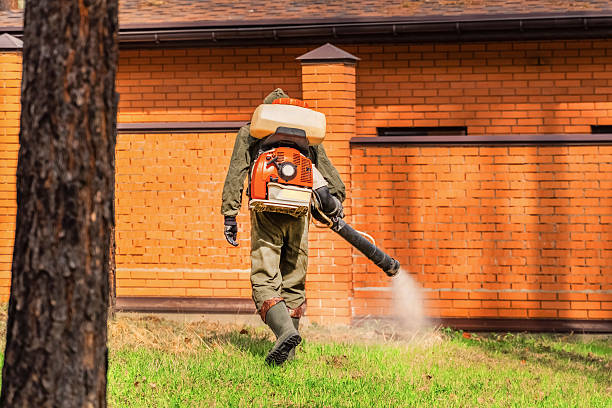
Every technician dispatched for wasp removal carries full protective equipment and species-specific treatment tools. The protective protocol is not the same for a small paper wasp eave nest as it is for a large yellow jacket ground colony. We size the response to the threat.
Void nests are the most frequently mishandled wasp situation. Spraying the entry point collapses the guards but does not reach the nest itself. We treat void nests from the inside, targeting the nest chamber directly before sealing the cavity against recolonization.
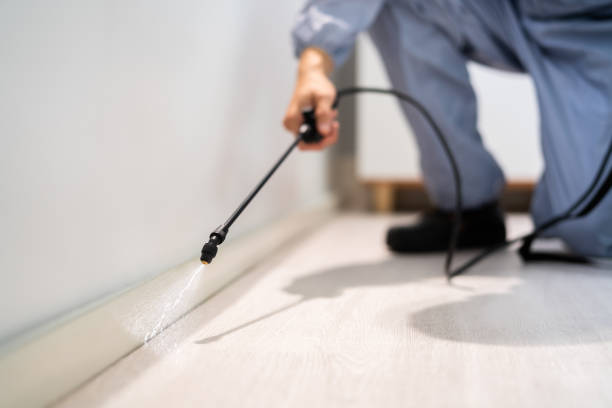
Treated nesting sites without a residual barrier become next year's nesting sites. We apply residual product to all treated locations -- eave surfaces, ground openings, former void entries -- so that returning queens cannot re-establish. The prevention step is what makes wasp removal last more than one season.
Paper wasps build open-comb nests visible to the naked eye -- small clusters of hexagonal cells attached to a surface by a single stalk. They are identifiable by their thin waist and long dangling legs in flight. They are not defensive at a distance and do not pursue -- the risk from paper wasp nests comes from proximity and direct physical contact with the nest or the immediate surrounding structure. Removal is straightforward with proper protective equipment. The priority is applying residual to the site after removal to prevent the following season's queen from re-establishing at the same location.
Yellow jackets are what most people mean when they say wasps, and they are the species responsible for the majority of serious stinging incidents. Their nesting behavior ranges from ground nests -- holes in soil or under landscape features -- to void nests inside walls, soffits, and attic spaces. Ground nests are particularly dangerous because the entrance is often concealed at ground level and the defensive zone surrounding the entrance is large. A person mowing a lawn, a child playing in the yard, or an adult working near a landscape bed may not see the nest entrance before they enter the defensive perimeter. Yellow jacket stings are painful, multiple, and can produce serious allergic reactions in sensitized individuals.
The gray football-shaped nest in a tree branch or attached to a structure is the most visually distinctive of all stinging insect nests. Bald-faced hornets build it, and they are among the most aggressive stinging insects in Brices Creek, NC. Nest disturbance at close range produces an immediate defensive response -- multiple workers exiting the nest and pursuing the threat simultaneously. The nest cannot be safely approached without full protective gear and appropriate application distance. Homeowners who recognize a bald-faced hornet nest but cannot reach it with a spray can often attempt to break it down with a long stick or knock it loose with a thrown object -- these approaches consistently result in stings because they agitate the colony without eliminating it.
Active wasp or hornet nest in Brices Creek? Call +1-866-315-0243. We dispatch same-day for active stinging insect situations in Brices Creek.
The most problematic wasp situation from a DIY treatment standpoint is the void nest -- a yellow jacket colony established inside a wall void, soffit cavity, or attic space. Void nests are identified by a consistent entry point through a gap, crack, or opening in the exterior of the structure -- typically a wood joint, a gap in vinyl siding, or an opening around a pipe or conduit penetration. The number of workers entering and exiting the entry point is a reliable indicator of colony size and maturity. A large void nest may have a substantial buzzing sound audible from inside the adjacent room. Spraying the exterior entry point with consumer knockdown spray addresses only the guards at the entrance -- it does not reach the nest chamber inside the void, and it agitates the colony while leaving the population intact. The workers inside increase their defense activity, and the colony may begin exiting through secondary entry points deeper in the structure. The correct approach is void injection -- applying insecticide directly into the nest chamber through a small access point -- followed by sealing the primary entry after the colony is eliminated.
The fall window after natural colony die-off is the right time to apply residual to recurring nesting sites. Eave surfaces where paper wasp combs have been removed year after year, attic ventilation screens with prior yellow jacket activity, and foundation areas near prior ground nest sites all benefit from post-season residual application. It prevents the queen that overwinters from re-establishing at the same location -- the most predictable source of next year's nest problem. For properties with structural vulnerabilities -- gable vents, attic ridge vents, deteriorated fascia board gaps -- we assess those sites at the same time and discuss whether exclusion repairs would further reduce re-entry risk in future seasons.
We prioritize active stinging insect calls. Same-day service available in Brices Creek and surrounding Brices Creek, NC areas.
Call +1-866-315-0243From initial property sweep to preventive fall application -- the complete stinging insect protocol in Brices Creek.
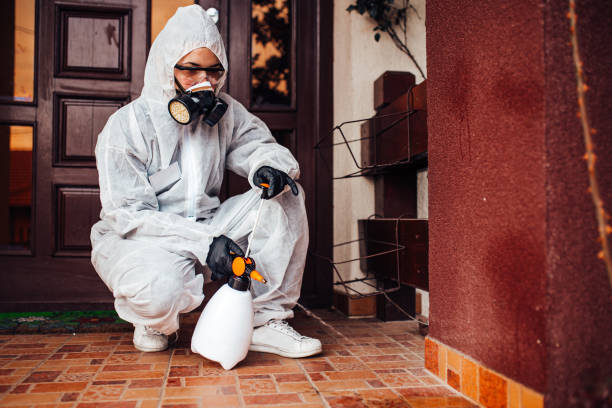
Eaves, ground areas, tree structures, and all exterior surfaces checked before treatment begins. Multiple nests found on most properties.
Paper wasp nests removed with protective equipment, nesting sites treated with residual, seasonal prevention addressed in one visit.
Ground nest entrance located, treated with professional insecticide applied to the colony interior, entrance sealed after elimination. Full protective equipment required -- proper protocol produces safe, complete elimination of even large late-season colonies.
Professional treatment from safe application distance with full protective gear. The gray enclosed nest is a high-aggression situation -- correct approach and distance are required.
Void injection, entry sealing, and structural assessment -- the complete protocol for wall and attic yellow jacket colonies.
Preventive fall treatment is the most cost-effective protection against recurring annual nesting at known sites.
The four steps that produce complete elimination -- not partial knockdown.
Phone assessment establishes the nest type and urgency. We confirm dispatch before you hang up.
Every technician arrives equipped for all nest types. The equipment appropriate to the specific situation is already on the vehicle.
We find all of them. The nest you called about and the ones you did not know about are both on the treatment list.
Treatment sequence is determined by nest type and location -- the correct order minimizes defensive response cross-contamination. Residual applied to prevent re-establishment.
Three situations -- including a bald-faced hornet nest DIY attempt and a void nest a previous contractor missed.
Found a ground nest 4 feet from my kids' sandbox on a Sunday morning. Called Show Me Pest Control at 9am, technician arrived by 1pm. During the property sweep, two paper wasp nests on the garage eaves were found that I had not noticed. All three nests treated the same visit. My kids were back at the sandbox Monday morning.
I sprayed a gray paper nest in a tree with a knockdown can from 8 feet away and got stung 11 times retreating. I had no idea it was a hornet nest -- I thought it was a normal wasp nest. Show Me Pest Control came out, identified it as bald-faced hornets, and treated it with extension equipment from a safe distance. Nest was inactive within 15 minutes. I would not have survived another attempt with the spray can.
Customers were getting stung at the front entrance of my business from a nest nobody could find. A previous contractor sprayed the outside of the soffit repeatedly with no result. Show Me Pest Control accessed the void from the attic, identified the nest in the cavity, treated directly, and sealed the entry. Zero customer stings the following season.
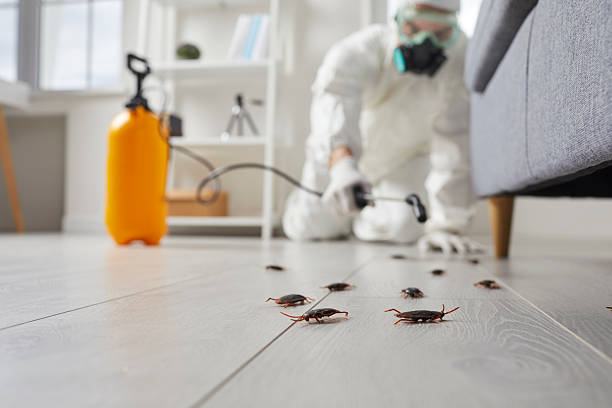
Ground nest, aerial nest, or void nest in Brices Creek -- same-day dispatch, full protective equipment, complete property sweep.
Call +1-866-315-0243 -- Same Day